Integrating AI Agents into Core Workflows This Quarter
You'll learn which repetitive tasks are ready for an AI agent, how to design a simple approval loop, and a step-by-step plan to launch a pilot before the…
You'll learn which repetitive tasks are ready for an AI agent, how to design a simple approval loop, and a step-by-step plan to launch a pilot before the next budget cycle.
Why agents are becoming a priority
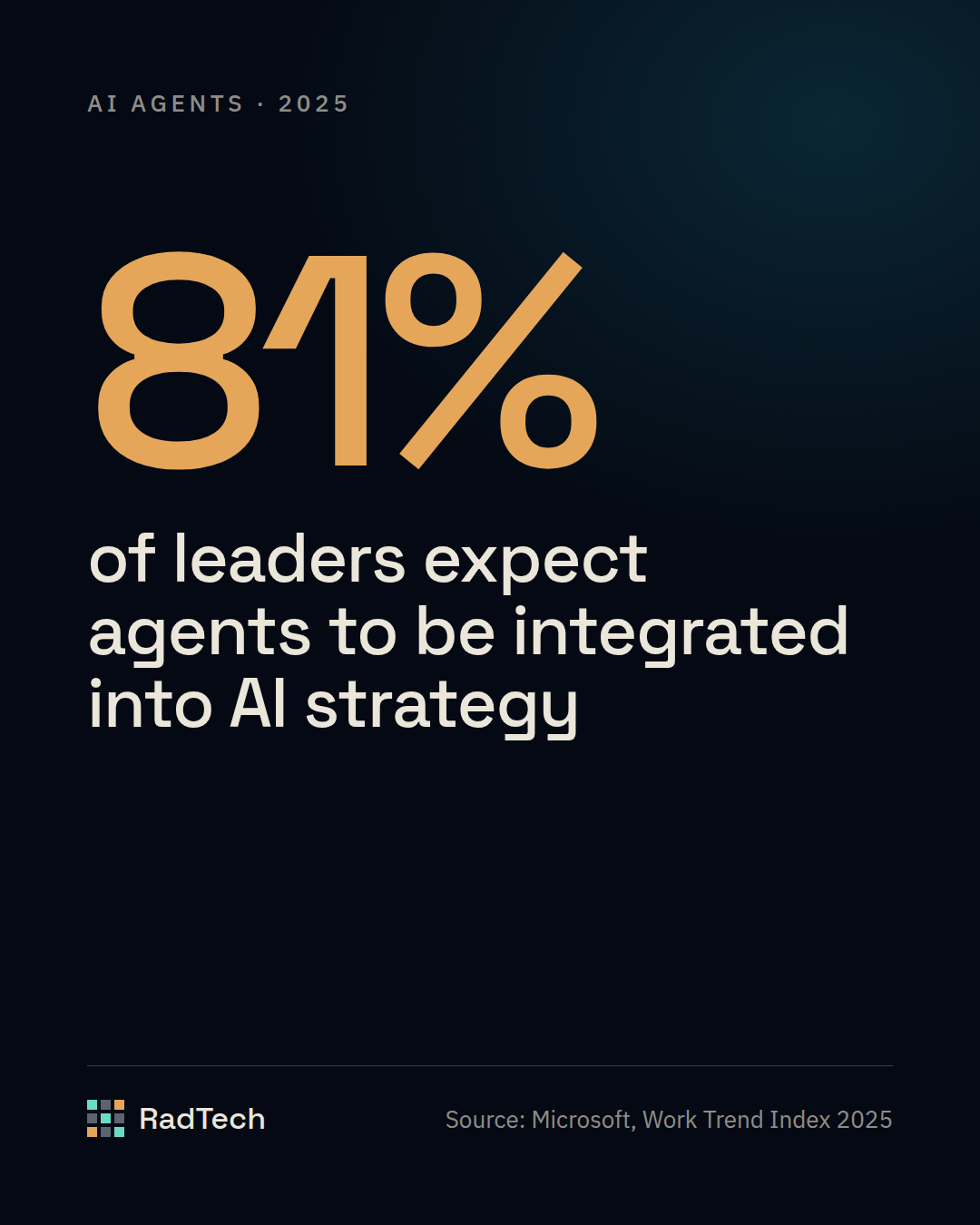
Microsoft Work Trend Index 2025 reports 81% of leaders expect agents to be moderately or extensively integrated into their AI strategy in the next 12 to 18 months. That level of interest makes the upcoming period a logical time to try a focused experiment. An agent that handles a well-defined, rule-based task can be built quickly, tested with real data, and handed over to a human for final sign-off. Starting now lets you create a pilot while expectations are still forming across the industry.
Select a workflow that fits a single-agent model
Look for a process that already has a digital record, a clear exception path, and a predictable decision point. Two common candidates are:
- matching invoices to purchase orders and flagging mismatches for review
- routing incoming support tickets, drafting a first response, and handing the draft to an agent for approval
Both examples involve data that can be extracted automatically and a small set of rules that decide whether the output is ready for a human. The third example, turning supplier emails into updated order records, follows the same pattern but often requires more natural-language handling, so it may be saved for a later iteration. When you choose a workflow, verify that the source systems expose the needed fields through an API or export, and confirm that the exception list is short enough to keep human effort manageable.
Add a human approval checkpoint
An AI agent should never close a loop without a person confirming the outcome that matters. Design the hand-off so the human sees only the items that required an exception. The steps are:
- The agent processes the incoming item and produces a structured result.
- If the result meets all predefined rules, it is automatically committed.
- If a rule is violated, the result is placed in a review queue with a concise summary.
The review interface should highlight the reason for the exception and provide a single accept button. This keeps the approval step fast and reduces the chance of fatigue. Before you go live, run a dry-run with a handful of real cases to ensure the summary captures the right context and that the person approving can act within a few minutes. Document the rule set and keep it version-controlled so future changes are traceable.
Launch, monitor, and expand
Start the pilot with a limited volume, such as invoices from one supplier or support tickets for a single product line. Track three simple metrics: the number of items the agent completed without human input, the average time saved per exception, and the rate at which humans modify the agent's output. Use these numbers to refine the rule set and to build a business case for the next workflow. Once the pilot shows consistent accuracy and the approval queue stays short, extend the agent to a second related process, for example adding the supplier-email conversion after the invoice matching is stable. Each expansion should repeat the same approval loop design, keeping the human control point unchanged.
What to do next
Map one repetitive task to the pattern described, draft the rule set, and schedule a two-week proof of concept. After the pilot, evaluate the metrics and decide whether to scale. We build agents for one workflow at a time, with a person approving what matters.