AI code generation makes testing and review the core focus
Developers are now using AI tools in the majority of projects, but the shift in responsibility lands on the quality gate. This article shows how to embed…
Developers are now using AI tools in the majority of projects, but the shift in responsibility lands on the quality gate. This article shows how to embed test-first and review-first habits this quarter so that AI-generated code stays reliable.
Understand the adoption level and where risk lives
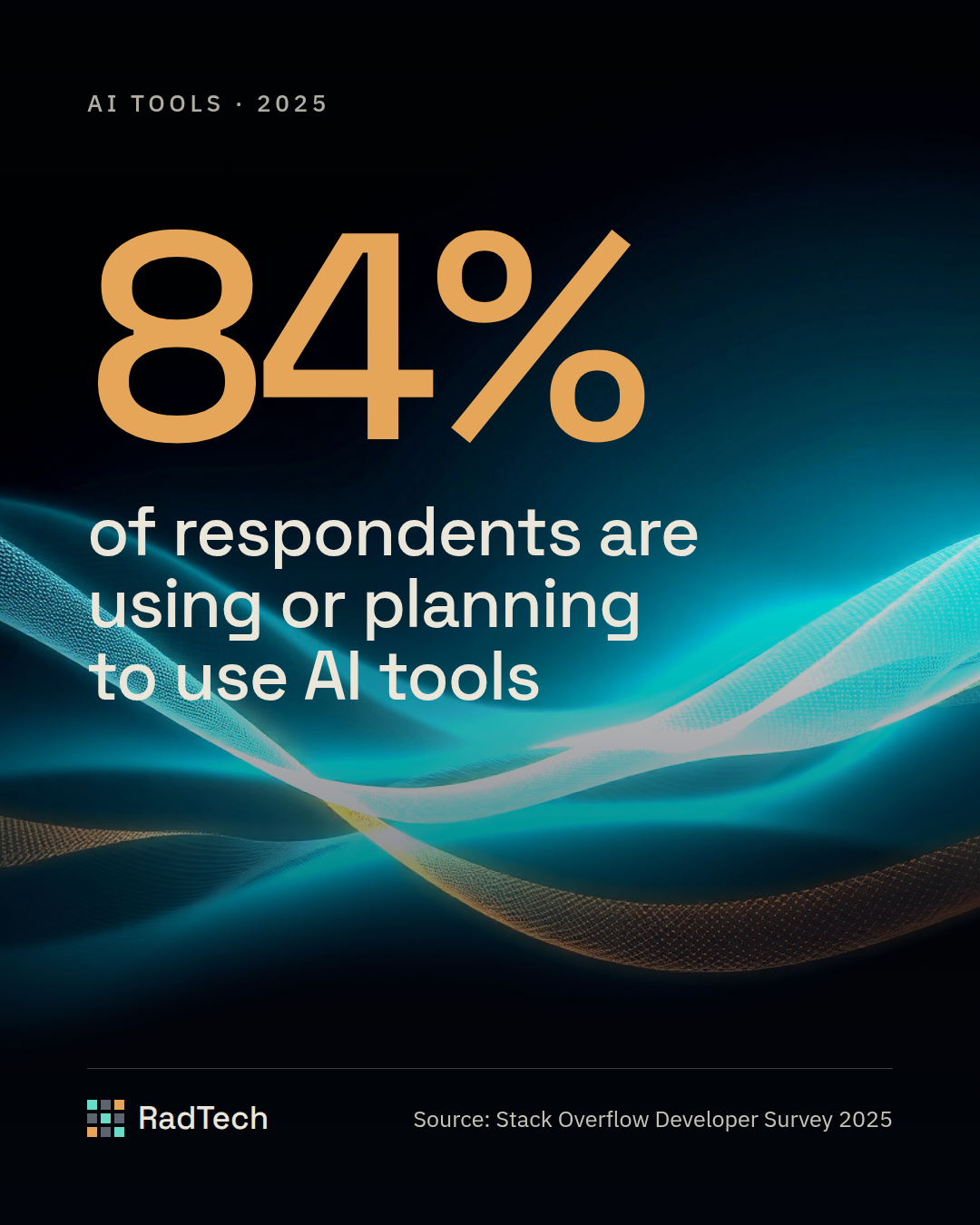
The Stack Overflow Developer Survey 2025 reports that 84% of developers use or plan to use AI tools in their development process, and 51% of professional developers use them daily. Those numbers confirm that AI assistance is no longer an experiment; it is a routine part of the workflow. Because AI writes code, the responsibility for quality shifts to the moments when the generated changes become part of the code base. When a model's output is merged without a gate, potential issues can appear later in the product. Recognising that the critical gate now sits at test and review helps you decide where to apply disciplined practices first. Start by mapping the current flow: where does AI output enter the repository, and which gate currently checks it? Identify any gaps where code lands without an automated test run or a human eye. This quick mapping gives you a concrete view of the most exposed points and prepares you for the next steps.
Write tests before the AI code is merged
A test-first approach gives the model a protection layer that it cannot anticipate on its own. Create a test suite that reflects the intended behavior of the feature you are about to generate. The test should be written in the same language and framework you use for production code, and it must fail on the current baseline. When the AI produces an implementation, run the suite immediately. If the new code passes, you have evidence that the core contract holds; if it fails, the discrepancy is highlighted before the change touches other parts of the system. To keep the effort manageable this quarter, adopt these steps:
- Define the acceptance criteria for the upcoming feature.
- Write one or two failing tests that capture those criteria.
- Generate the code with the AI assistant.
- Run the test suite and fix only what is needed to satisfy the tests.
By making the test the first artifact, you ensure that automated checks catch regressions the model cannot foresee, and the test-suite owner retains the quality gate.
Add a focused human reviewer for every AI change
Even with a passing test suite, business rules, performance constraints, or security considerations may be missed. A reviewer who reads every change the assistant made provides the contextual judgment that the model lacks. The reviewer's checklist should be short and aligned with the most common failure modes of AI-generated code, such as misuse of APIs, missing error handling, or deviation from naming conventions. Keep the review lightweight: focus on intent, side effects, and compliance with architectural standards. If the reviewer finds an issue, they should either adjust the test to cover it or edit the generated snippet directly. This disciplined hand-off prevents the accumulation of technical debt and builds confidence in the AI output.
Keep pull requests small and frequent
Large, monolithic pull requests make it hard for both tests and reviewers to do their job effectively. Break the AI-generated work into small, self-contained pull requests that each address a single functional piece. Small changes reduce the cognitive load on reviewers and make test failures easier to isolate. Aim for pull requests that can be reviewed in a short sitting and that run the test suite quickly. This practice also aligns with the test-first flow: each small change is validated before it is merged, maintaining a stable main branch. Over the next quarter, enforce a size limit on pull requests and monitor the time it takes to run the test suite for each. The data will show whether the new rhythm improves throughput without sacrificing quality.
What to do next
Map your current AI integration points, write failing tests before generating code, add a focused reviewer for every change, and enforce small pull requests. These actions create a disciplined pipeline that catches regressions early and validates business intent. RadTech builds the product and advises the founder, supporting the workflow with review and test discipline.
// Sources
- 2025 Developer Survey, AI section · Stack Overflow